Articles

Animal Hospital of Soquel blog
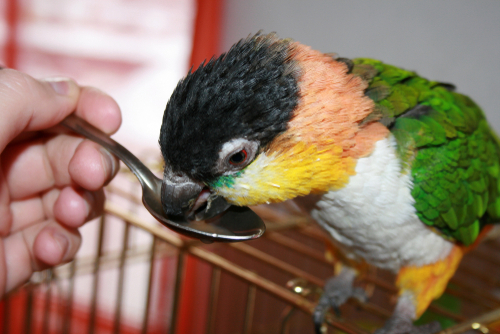
Exotic Animal Medicine
There are a wide variety of animals that can be kept as domestic pets. While some, like cats and dogs, are fairly common, others are much less popular. In the past, an exotic animal was a species that was considered to be ‘wild’ in nature and not usually kept as a pet, but today, an exotic pet is pretty much any animal that isn’t a cat or dog, and are more commonly kept as pets than ever before.
The following animals tend to be classified as exotic animals and represent some of the more unusual pets in need of specialist veterinary care:
Amphibians - this includes frogs, newts, toads, and even salamanders.
Birds – including budgies, parrots, and birds of prey.
Crabs – in particular hermit and fiddler crabs.
Farm animals – including goats, llamas, and pigs.
Ferrets
Insects and millipedes – including cockroaches, stick insects, praying mantis and even ants.
Rabbits
Reptiles – such as lizards (including dragons, geckos, and chameleons), snakes, tortoises, and turtles.
Rodents – there are a huge number of animals classed as rodents including chinchillas, hamsters, rats, gerbils, and guinea pigs.
Scorpions - in particular the emperor scorpion.
Spiders – the tarantula is the most commonly kept pet spider in the world.

First Aid for Pets
Accidents and emergencies don't just happen to humans, and while first aid is no substitute for emergency veterinary care, basic first aid knowledge can be crucial for treating certain injuries and in preventing symptoms or situations from worsening.
In critical emergencies, opting to administer first aid before heading to your veterinarian could make the difference between the life and death of your pet.
As a pet owner, it is your responsibility to try and ensure the safety and well being of your pet at all times. With that in mind, here is our guide to basic first aid for pets.
Bleeding (Externally)
External bleeding is typically the sign of a fight with another pet or an accident, and unless it is a severe wound and/or located on the legs, it can usually be dealt with relatively quickly and simply
In order to establish the site of the injury, you may need to muzzle your pet, as they may be in some pain. Once you have located the injury, press a thick, clean gauze pad over the wound and apply pressure until the blood begins to clot. It may take a number of minutes for the clot to gain enough strength to sufficiently stop the bleeding, so instead of checking every few seconds, hold the gauze in place for at least two minutes before lifting to check if the bleeding has ceased.
If your pet has severe blood loss from the legs, use a thin strip of gauze, elastic band or similar material to create tourniquet between the wound and the body. Once it is in place, you should cover the wound with a gauze pad and continue to apply gentle pressure.
Loosen the tourniquet for about 30 seconds every 15 to 20 minutes so that you don’t cut off the circulation from the wound entirely, and get someone to drive you to an emergency veterinarian immediately as severe blood loss can be fatal.
Bleeding (Internally)
It may not always be possible to tell that your pet is bleeding internally, but some of the symptoms that you can look out for include:
Coughing up blood
Bleeding from the nose, mouth or rectum
Blood in urine
Pale gums
Rapid pulse rate
Weak pulse
Unconsciousness
If any of the above symptoms present themselves, make your pet as warm and comfortable as possible, and take them straight to your emergency veterinarian.
Burns
If your pet suffers from any form of burn injury, you should first muzzle your pet, then apply large quantities of ice-cold water to the affected area.
In the case of chemical burns, the water should be free-flowing in order to cleanse the skin as much as possible. Otherwise, hold an ice-cold compress to the burned area and immediately transport your pet to your emergency veterinary service.
Choking
Choking is just as common in pets as it is in humans, and knowing how to assist your pet if they choke could save the life of your pet. Symptoms of choking include:
Struggling to breathe
Pawing at the mouth and nose
Choking sounds
Excessive coughing
Lips or tongue turning blue
Since your pet will be in an extreme state of panic, it is more likely that they may accidentally bite you, so using caution, try and look into your pet's mouth to see if any blockages are immediately visible. If you can see something obstructing your pet’s airway, carefully try and remove it using tongs, pliers or tweezers, taking extreme care not to push the item further into the esophagus. If it is not easily removed, don’t spend extra time trying to reach it.
If you are unable to remove the object or your pet collapses, you should try and force air from the lungs in an attempt to push the object out from the other direction. The way you should do this is by putting both of your hands on the side of your pet’s rib cage and applying short, sharp bursts of firm pressure.
Keep doing this until you manage to dislodge the foreign object or until you arrive at the emergency veterinary service.

Training Your Pet
Once you have decided to make a new pet a part of your family, the first concern you should have is with making them comfortable. After your pet has settled into your home, a good next step would be to think about training which can help to ensure that the behaviors they exhibit are primarily desirable ones.
Training your Dog
Whilst dogs have earned a reputation as ‘man’s best friend’ thanks to their loyal and affectionate nature, they can sometimes possess frustrating habits or personality traits that make them difficult to live with, just like their human counterparts.
Training your dog will be hugely beneficial for your dog to learn to live harmoniously alongside his human family. It will strengthen his bond with your family and ensure his safety when out and about.
What is the best method to train my dog?
There are many different schools of thought concerning how to best train a dog. Some owners prefer strict training with punishments for non-compliance, whilst others prefer to praise positive behavior and ignore undesirable reactions. Studies have shown that as a general rule, the latter method works best, but however you decide to train your dog, you will need to consistently control the consequences of your dogs’ behavior in order for the training to be effective.
Since dogs cannot relate events that are separated by time, the consequences to negative behavior need to be immediate. Just as you cannot praise your dog several minutes after returning to you when called since he will not understand why he is receiving it. The easiest way to train a dog is to reward the behaviors that you like and not those that you don’t.
If your dog likes the reward you give them, they will be more likely to repeat that behavior so they can receive it again i.e. love, attention, and praise.
If they dislike the consequences, then they will do the behavior less often.
It really is that simple, but being consistent is vital to a successful training plan, otherwise, you will send mixed messages to your pet. For example, if you do not want your pet to jump on you (which they do to get your attention) then ignore them until they calm down. Once they have calmed down, be sure to praise and make a fuss over them. This will help them to learn that this is the way that you prefer them to behave. It may take several days or weeks of doing this, but your dog will soon learn the correct behavior to exhibit.

Dental Hygiene and Oral Care
Don't ignore your pet's bad breath! Lack of proper dental hygiene is often the cause of stinky breath, but it may also indicate other, more serious issues with your pet's health. However, we do understand how easy it is to miss as most of the problems that stem from poor hygiene occur where you can't see them - below your pet's gum line.
The first line of defense is always home care. And while some animals, such as dogs, may tolerate their owners handling their mouths and brushing their teeth, most, especially cats, will struggle or act out. This can make oral care difficult at best, and at worst, ineffective.
The best way to ensure your pet's oral health is to have regular cleanings at our office. Our veterinarian will be able to discuss with you how often you ought to come in as well as a home hygiene regimen. This will help to prevent dental issues from progressing to larger (and potentially deadly) internal issues, such as dysfunction or disease in the heart, kidneys, liver, or lungs.
In the wild, hiding pain, illness, or other weaknesses are survival instincts. Many times, your pet will have the same instincts, even in the safety and comfort of your loving home, which is why keeping an eye on your pet's eating habits and behaviors is so important. However, recognizing the difference between normal changes in mood and red flags can be difficult sometimes.
What you interpret as a persistent grumpiness may actually be a sign that your pet is in pain. New irritability, shying away from being touched (especially on the face and around the mouth or throat), sluggishness, loss of appetite or difficulty eating, and lethargy are all behavioral signs which may indicate illness.
However, if you note any of the following physical changes, contact your vet immediately:
Red and swollen gums
Bleeding gums, especially when eating or when having teeth brushed
Swelling around the mouth
Oral abscesses, often appearing as swelling in the face
Abnormal chewing
Loose or missing teeth
Discolored teeth
Crusted build up at the edge of the gums
Persistent bad or fetid breath
Excessive drooling
Weight loss
Preventing oral infections and gum disease will help your pet live a longer, healthier life. And remember, caring for your pet with regular cleanings now will save you money later!

Finding a Reputable Breeder
With thousands of unwanted dogs living in shelters and desperately looking for new homes, we highly recommend that you consider adopting one of these puppies or adult dogs. You will be able to find details of your local shelters and rescue centers online. However, if your heart is set on a purebred puppy then the very first thing you should do is find a reputable breeder.
Unfortunately, there are many people out there who view breeding purely as a source of income and have very little concern for either the current or future welfare of their puppies. However, by asking the right questions and making some careful observations, it is possible to distinguish between them and knowledgeable and professional breeders. Here is our guide to helping you find a reputable breeder for your future pet.

Best virtually indestructible dog toys for aggressive chewers
Chewing is a natural part of life for any dog. It helps to keep their teeth healthy and is a way for them to play and explore. Chewing can also be a sign of when they are particularly anxious or lonely. However natural it is, there is no escaping the frustration that accompanies returning home from work to find your favorite slippers, remote control or some other household object chewed beyond all recognition. Some breeds of dogs are more aggressive than others when it comes to getting their teeth into things, and even specially designed chew toys can be turned to rubber mulch in just a few days. To save you from spending heaps on toys that just won’t stand up to your dog’s teeth, we have put together this list of the best virtually indestructible dog toys for aggressive chewers.
Jolly Pets Romp-n-Roll Ball
This ultra-durable ball has a tug-o-war rope at each end, making it good for play as well as a chew toy. Additionally, its clever design means that the
ball will float even after it has been punctured, making it perfect for water-based fun.
The Romp-n-Roll ball is available in three sizes based on the weight of your dog and ranges from 4.5” to 8” in diameter, meaning there really is one for every
chewing champion out there!
Check out their website to find where it is available near you.
Goughnuts
The Goughnut ring is an extremely strong rubber chew toy that was designed with safety in mind by means of a ‘chew toy safety indicator’. The concept behind the Goughnut is that when your dog chews through to the red inner layer, the toy should and will be replaced under the Goughnuts guarantee.
There are three sizes of rings available, starting at 3.75 inches and going up to 6.25 inches in diameter. There are no weak points on this toy and despite its durability, it even floats!
Find out more about the Goughnut by visiting their website.

Canine Distemper
Also known as CDV, Canine Distemper is a highly contagious viral illness that can be debilitating and even fatal. It not only affects dogs, but can also be seen in certain species of wildlife, including foxes, skunks, and wolves. Puppies and non-immunized dogs are most commonly affected, but pets on immune-suppressing medications may also be vulnerable.
CDV is resistant to the majority of cleaning products, and household bleach is the only known way to eradicate it.
What causes CDV?
The CDV virus is mainly transmitted through direct contact with an infected animal via bodily fluids such as saliva from coughs or sneezes which is why inhalation is the most common way it enters a new dog's system. CDV attacks the respiratory system, gastrointestinal tract, and central nervous system.
The virus does not live long once outside the body, so indirect contact is extremely rare.
As with most contagious diseases, animal shelters and kennels are much more likely to be contaminated.
Symptoms of CDV
The primary symptoms of CDV include, but are not limited to:
Coughing
Diarrhea
Fever
Lethargy
Nasal discharge
Reduced appetite
Vomiting
Watery or pus-like discharge from the eyes
Once the virus reaches the central nervous system (CNS), it can cause twitching, seizures, and partial or total paralysis. This causes irreparable damage to a dog’s nervous system, often resulting in death.

Pet Obesity
We are constantly being told that obesity levels are increasing worldwide and that we should act now in order to ensure our long term health. However, this problem doesn't just affect humans. A shocking statistic from the Association for Pet Obesity Prevention states that an estimated 54% of dogs and cats in the United States are overweight or obese.
(Source: Association for Pet Obesity Prevention, 2015)
Just like humans, pets who are overweight are at increased risk for a number of health problems including but not limited to:
Cranial cruciate ligament injury
Decreased life expectancy by up to 2.5 years
Heart and respiratory disease
High blood pressure
Insulin resistance and type 2 diabetes
Kidney disease
Osteoarthritis
Varying forms of cancer

Vaccinations and Examinations
Regular vaccinations and examinations will help keep your pet healthy and happy. While your veterinarian will be able to advise you of the frequency that your pet should be examined, most recommend either annual or bi-annual visits. Since pets age an average of 7 times faster than humans, they are considered middle-aged by the time they reach 6/7 years old and larger breeds of dogs are often considered to be seniors by the time they reach 8.
Typical components of a wellness examination include:
Checking the central nervous center
Checking and cleaning the ears; treating if required
Checking joints and mobility
Checking skin and condition of coat
Checking urinary and reproductive systems
Dental examination
Eye examination
Listen to the heart
Listen to the lungs
Observation of alertness and response
Palpate the abdomen checking for painful areas and/or growths or tumors
Physical examination of the rest of the body for unusual lumps
Weight check
Other tests that your pet may be given include:
Heartworm testing (otherwise known as blood parasite screening)
Fecal testing, which allows the veterinarian to check for the presence of internal parasites such as hookworms, roundworms or whipworms.
Blood work which screens for infection or disease that may not otherwise be detected through a physical examination. Blood work also gives the veterinarian a comprehensive assessment of your pet's health.

Picking your Perfect Puppy
With the World Canine Organization recognizing over 300 different breeds of dogs across the globe, it can be extremely difficult to know which is right for you and your lifestyle. When deciding to bring a puppy into your home, you are making a commitment to at least ten years of love, care, and attention, which is why selecting the right dog for you is absolutely crucial.
With this in mind, we have put together this article to look at the physical and behavioral characteristics of a few popular breeds.
American Bulldog
Height (males): 22-28 inches Weight (males): 70-120lbs
Height (females): 20-26 inches Weight (females): 60-100lbs
Life expectancy: up to 16 years
Physical characteristics: Muscular, powerful and sturdy animals that are also surprisingly athletic. With strong jaws and muzzles, they can often look ‘mean’. The tail is low set and is thick at the base and tapers to a point. The coat is short and smooth and comes in an array of colors.
Temperament: American bulldogs make extremely loyal pets that display strong protective instincts towards their families. Highly alert and great with children, they are sociable animals that need to know their place in the family hierarchy. As a firm pack leader, good socialization from a young age and obedience training will make them easier to handle.
Exercise: They are relatively inactive when indoors, but need at least an average-sized yard and a long daily walk.
Health: This breed is prone to hip dysplasia.
Alaskan Mamalute
Height (males): 24-26 inches Weight (males): 80-95lbs
Height (females): 22-24 inches Weight (females): 70-85lbs
Life expectancy: 12-16 years
Physical characteristics: The largest of the arctic dogs, the Alaskan Mamalute is a well-built animal that strongly resembles a wolf. It has a plumed tail, large thick feet with tough pads and a dense, coarse coat up to three inches in length. While the coat can come in an array of colors, the muzzle and legs are almost always white.
Temperament: These dogs are sociable, loyal and bright. They are better suited to older children and love to please their human family. However, because they are so friendly, they are more likely to welcome intruders than scare them and therefore do not make very good guard dogs! However, they do have strong prey instincts and should not be around smaller animals. Strong leadership, obedience training, and proper socialization are critical as without them, they can become destructive.
Exercise: Alaskan Mamalutes are very active and love the outdoors, so they are best suited to homes with large yards and an owner who can commit to long daily walks. High fences with buried bases are a must as they like to try and roam. Since they often struggle with hot climates, they will need less exercise and plenty of cool water and shade during warmer times of the year.
Health: This breed is prone to hip dysplasia, bloating, and dwarfism.
Bichon Frise
Height (males): 9-12 inches Weight (males): 7-12lbs
Height (females): 9-11 inches Weight (females): 7-10lbs
Life expectancy: around 15 years
Physical characteristics: A small and sturdy dog, the Bichon Frise has a short muzzle and dropped ears covered in hair. It has a thick tail that is carried over the back and a double coat of up to four inches in length that is usually a shade of white, cream, apricot or grey.
Temperament: These extremely sociable animals make ideal companions as they adore human company and love to please their owners. They are excellent with all ages of humans as well as other dogs and are affectionate and intelligent. As with all small dogs, there is a risk of developing small dog syndrome where the animal feels that he is the pack leader to his humans. This can cause them to develop a number of behavioral problems, so be sure to assert yourself firmly as the pack leader in order to prevent small dog syndrome from setting in.
Exercise: The Bichon Frise can happily live in an apartment provided they are given regular exercise through daily walks and play.
Health: This breed can be sensitive to flea bites, and is prone to cataracts, skin and ear ailments, epilepsy, and dislocated kneecaps.
Boston Terrier
Height: 15-17 inches Weight: 10-25lbs
Life expectancy: approximately 15 years
Physical characteristics: Compact, square-bodied dogs with good muscle tone and erect ears, the Boston Terrier is a handsome animal. The legs are quite wide set, the tail is short, and the coat is short and fine.
Temperament: These are intelligent creatures that are easy to train and are affectionate with their family. They are good with people of all ages and love socializing. They are also at risk of developing small dog syndrome, so proper authority and obedience training is necessary to ensure that they know their place.
Exercise: Boston Terriers are suited to apartments as well as houses with yards, so long as they get regular walks and play.
Health: Their prominent eyes can be prone to injury, as well as a multitude of eye-related health problems, including glaucoma, ulcers, and cataracts. Deafness, tumors, and breathing difficulties when exercising or dealing with hot weather are also concerns.


